The notification lands like an unexpected blow. An email appears with a subject line that makes your stomach turn: "URGENT: Legal Payment Required" or "URGENT: Cease and Desist." Your mind abruptly switches from sales projections and marketing plans to an alarming monetary demand. A request for payment of $50,000, $100,000, or even more for an alleged copyright violation or a previously overlooked liability. Your initial response is to call a lawyer, but that thought quickly leads to a fresh surge of worry when you hear the retainer fee: $10,000, $15,000, or even $25,000 just to begin. Many entrepreneurs face this devastating choice-a choice between a devastating financial agreement and a financially crippling legal battle.
What if there was another way? What if you could fight back intelligently, strategically, and affordably? For more and more entrepreneurs, this solution is becoming available through AI legal defense. This isn't about replacing lawyers entirely, but about transforming how legal matters are handled. It's about leveraging advanced AI to evaluate challenges, create defenses, and comprehend your legal standing before spending a single dollar on legal fees. This shows how entrepreneurs are fighting back on legal bullies, reducing massive legal expenses, and discovering the strength to protect their enterprises in an environment of growing legal challenges.
Important Key Points
- Power Dynamics are Changing: Artificial intelligence is enabling business owners to address many legal threats themselves, minimizing the need on costly attorneys for preliminary legal responses.
- Education is Your Best Defense: Legal threats against small businesses often serve as scare tactics and usually lack solid legal basis. Understanding the fundamentals of copyright law and debt validation can be your most powerful weapon.
- AI as a Research Assistant: Artificial intelligence can process legal documentation, identify weaknesses in claims, and discover pertinent case law in a fraction of the time it would take a human, saving you thousands in billable hours.
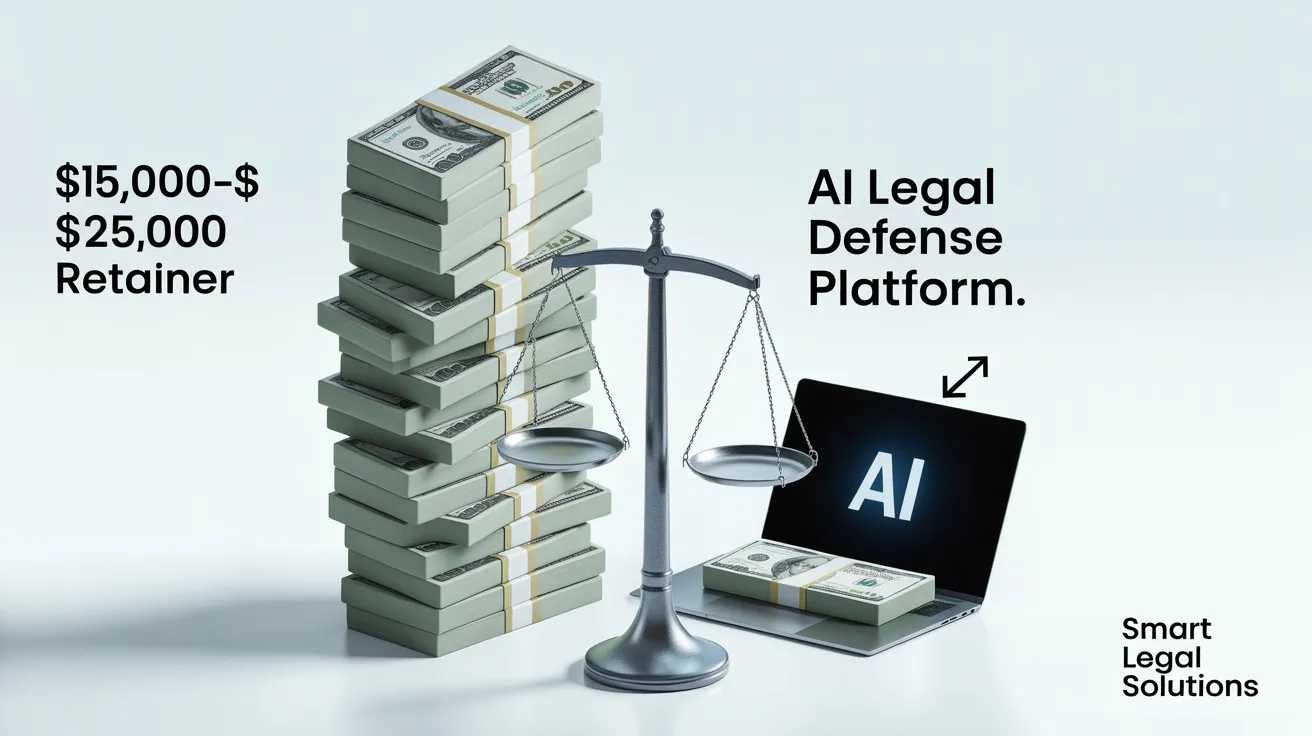
- Pricing is a Critical Element: With standard attorney retainers starting from $10,000-$25,000, AI-driven legal resources deliver a cost-effective first line of defense for a fraction of the cost.
- Know When to Contact Professional Help: AI is a valuable tool for preparation and initial response, but it should not be considered a substitute for a qualified lawyer concerning active litigation or complex legal matters.
Small Business Legal Risk Assessment and Understanding
The life of a small business owner involves managing numerous responsibilities. You end up being the business leader, marketing chief, human resources head, and often the cleaning staff. Dealing with lawsuits is the last thing you want in your business journey. Regrettably, today's business landscape is filled with legal risks. Research from 2023 reveals that U.S. small businesses face costs of $160 billion yearly due to lawsuits. These aren't just major lawsuits making headlines; it's the regular legal issues that slowly deplete company resources.
The Growth of the Litigation Bully
Many legal threats aren't focused on justice; they are simply a numbers game. Copyright trolls, aggressive debt collectors, and predatory firms distribute massive amounts of threatening correspondence, well aware that a portion of people who receive them will be too intimidated or uninformed to defend themselves. They rely on the fact that attorney fees typically exceed than the demanded settlement amount. This generates a problematic motivation to pay, despite whether the demand is legitimate. These organizations serve as legal bullies, utilizing intimidation as their main tactic.
Major Challenges for Business Owners
While legal issues can arise from various sources, a few common issues frequently plague small companies:
- Copyright Infringement Claims: Such claims are commonly related to images utilized on corporate web pages and blogs. A large number of these notices are processed by automated systems and issued without any human review of the context or fair use principles.
- Debt Collection Notices: These notices may be for outdated, disputed, or unverified debts. Collection companies commonly purchase debt for pennies on the dollar and utilize intimidating strategies to collect the full amount.
- Cease and Desist Letters: These written warnings can address a broad spectrum of legal issues, from trademark disputes to contract violations. They are frequently utilized to intimidate competitors or suppress criticism.
- Banking and Payment Disputes: Disagreements involving financial institutions or payment services can freeze accounts and halt operations, putting business operators in a defensive position.
For entrepreneurs facing these challenges, each situation feels like a full-blown crisis. The reality, however, is that many of these issues are essentially matters of education and preparedness, instead of matters requiring litigation.
The Reality of Legal Defense Expenses: Traditional Systems Failing Small Business Owners
The typical process for handling a legal issue is straightforward: you retain an attorney. For large corporations with internal legal departments and deep pockets, this is a regular expenditure of running a company. For a small enterprise, it's a significant financial strain. The typical legal expenses for a small business is about $13,300 per year, but this amount can skyrocket when court proceedings begin, with costs ranging from $3,000 to over $150,000.
Breaking Down the Retainer Model
The most significant immediate obstacle is the attorney retainer. A retainer is basically an upfront payment for legal services, and when it comes to litigation, it's seldom less than five figures. This leads to what can be termed the "retainer trap." A business owner might receive a request for $8,000. A lawyer quotes a $15,000 retainer to defend against it. From a financial perspective, the seemingly logical choice appears to be accepting the $8,000 payment, even if the allegations are unfounded. This is the business model that legal bullies count on. They've carefully calculated their demands to be just below the threshold cost to fight back legally.
Conflicting Motivations
Furthermore, the standard legal approach is based on billable hours. Lawyers get paid more when cases take longer. While ethical lawyers aim for efficiency, the framework naturally incentivizes complexity and drawn-out disputes. This creates a direct conflict with the needs of small business owners, who need fast, affordable, and effective resolutions. The key priority for the business owner is to resolve the issue, not to become involved in a lengthy and costly legal procedure.
The Impact of AI on Legal Protection for Business Executives
Over the years, expensive legal representation generated an enormous disparity in the market. There was no viable option for business owners who weren't able to pay for legal counsel but wouldn't yield to unsubstantiated accusations. Artificial intelligence is now filling that gap. It's not a perfect answer, but it serves as a valuable resource that balances the scales by substantially lowering the expenses and duration involved in the crucial first phases of a legal defense.
AI: Transforming Paralegal Work
Think of AI like a paralegal with the capability and photographic memory to analyze massive amounts of text every minute. This is how it's being utilized:
- Document Analysis: Intelligent algorithms can scan and process formal legal correspondence and quickly pinpoint important components, like formal charges, cited laws, and financial demands. The system matches the materials alongside extensive case databases to highlight common issues and deficiencies.
- Legal Research: In place of legal counsel investing hours (at $300+ per hour) researching case law, an AI can search legal databases and deliver applicable case law in seconds. It can locate data on fair use, debt validation requirements, or specific consumer protection laws that apply to the situation.
- Drafting Assistance: AI can assist with creating preliminary reply documents. When given the case information and applicable legal standards, it can produce a professional, well-structured response that defends your interests and makes it clear to opponents that you are prepared to contest their claims.
This is where the game changes. The first evaluation and examination, which traditionally costs thousands in legal fees, can be handled with a significantly lower expense in an AI-enhanced educational tool.
A Step-by-Step Guide to the AI Legal Defense Framework
Leveraging AI for legal defense isn't simply blindly trusting a chatbot. It involves adhering to a systematic approach to analyze the threat, understand your stance, and reply from a place of strength. This framework typically consists of three essential phases.
Phase 1: Assessment and Triage
To begin is to leverage artificial intelligence to comprehend exactly what you're facing. You can upload the threatening legal document into an artificial intelligence platform and request an initial evaluation. The objective is to address several important points:
- What's the central accusation
- What particular legal codes or laws are being mentioned?
- Can we verify if the claimant is the actual rights owner?
- What supporting materials have they offered?
- Do you notice any clear discrepancies in the claim details?
This first analysis enables you to progress from a state of panic to having clear understanding. It provides a straightforward, neutral assessment of the situation.
Phase 2: Research and Strategy
When you grasp the claim, the following stage is to use AI to research your defensive alternatives. For a copyright claim, you might ask the AI to analyze the four factors of fair use and how they apply to your particular situation. For a debt collection notice, you must direct it to detail the validation requirements under the Fair Debt Collection Practices Act (FDCPA). This stage is focused on establishing your case. You are compiling the legal principles and facts that will form the framework of your response. This is also where you can initiate to recognize the weaknesses in your counterparty's position.
Stage 3: Response Protocol
After completing your research, you can utilize AI to help craft a response. This isn't meant for using machine-generated text. Rather, it focuses on using AI as your writing assistant. You supply the main arguments and relevant details, and the AI helps formulate these elements into a clear and professional communication. Your reply should generally:
- Acknowledge receiving their message.
- Express your perspective precisely and succinctly.
- Include the applicable legal foundations that support your stance.
- Ask for extra documentation and confirmation, as appropriate.
- Keep the content factual and emotion-free.
This methodical response shows the opposing side that you are thorough, informed, and ready to defend your position. It instantly transforms the dynamic from one of pressure to one of a thorough legal dialogue.
AI-Powered Copyright Claim Analysis and Response
Intellectual property disputes stand as a significant risk for online businesses. A company might use a picture on their blog, only to receive a substantial monetary claim from a photo licensing agency in the check here future. Artificial intelligence proves especially useful when handling these matters.
Analyzing the Claim
Artificial intelligence software can help you analyze the copyright claim. It reviews the legal notice to check whether it includes evidence of copyright ownership, a legitimate copyright registration, and a specific account of the supposed copyright breach. Numerous legal notices from aggressive copyright enforcers are deliberately ambiguous and lack this vital documentation. As business leader Tony copyright of LinkDaddy learned, artificial intelligence can be utilized to evaluate the merit of a copyright claim, enabling the successful defense against a $500,000 copyright lawsuit without engaging a lawyer.
Examining Fair Use Standards
Artificial intelligence serves as a valuable instrument for exploring the doctrine of fair use. Fair use represents a legal concept that enables the limited use of copyrighted material without permission from the rights holder. AI technology can support you understand the four factors of fair use and how they can relate to your case, offering you with the arguments you need to construct a strong defense.
Strategic Debt Collection Defense: AI-Driven Validation
Another area where AI is showing remarkable results centers on safeguarding against aggressive debt collectors. The Fair Debt Collection Practices Act grants consumers and business owners specific rights, like the ability to demand proof of debt.
The Significance and Value of a Letter of Validation
A collection agency must supply you with documentation about the debt, referred to as validation documentation. When you send a debt validation letter, you are legally demanding that the collector demonstrate that you owe the debt and that they have the legal right to collect it. Numerous collection agencies, especially those who purchase old debt, are unable to furnish this evidence. AI technology can support you with creating a comprehensive debt validation letter that asks for all the necessary details, such as:
- The original lender's name
- The account number from before
- An authentic copy of the initial contractual agreement.
- A thorough record of the alleged outstanding balance.
Sending a formal validation letter typically halts a debt collector in their tracks. Should they be unable to validate the debt, they are legally prohibited from continue to try to collect it.
Navigating AI Legal Defense: Understanding Its Strengths and Weaknesses
It is important to be aware of the boundaries of AI in the legal field. AI functions as a learning and preparation resource, not a licensed attorney. Recognizing the difference between what you can do independently and when you need professional help is vital for a successful defense strategy.
Optimal Cases for AI Defense Implementation
- Preliminary Risk Evaluation: Evaluating cease and desist letters and demand notices.
- Responding to Baseless Claims: Creating effective responses to aggressive collectors and copyright claims who depend on threatening behavior.
- Legal Research: Analyzing your rights and the laws applicable to your case.
- Organizing Your Case: Preparing all your materials and arguments before consulting an attorney, which can help you save thousands of dollars in billable hours.
When to Get a Lawyer Without Delay
There are certain situations where you shouldn't try a DIY legal defense. When you receive legal papers, you should get an attorney. Other situations that require professional legal help encompass:
- Criminal allegations.
- Regulatory investigations carried out by government agencies.
- Intricate legal situations that involve multiple parties or jurisdictions.
- Major circumstances where the potential damages could devastate your company.
In these situations, the role of AI changes from a primary defense mechanism to an auxiliary tool. You can employ it to be more knowledgeable and ready as a client, but you must have an experienced professional on your side.
Building Your AI Law Protection Resource Kit
Starting AI legal defense doesn't need a qualification in computer science. It mainly calls for a willingness to learn and availability of the right tools. The foundation of your toolkit will be a powerful language model like ChatGPT or Claude, alongside an educational platform that provides specialized prompts and frameworks for common legal threats.
The Essential Nature of Effective Prompts
The success of any AI solution depends on the quality of the prompts you provide. A basic prompt like "write a response to this demand letter" will result in a basic and potentially inadequate outcome. Conversely, a targeted prompt will instruct the AI to carry out a thorough analysis and generate a reply based on particular legal concepts. This is why platforms that deliver field-tested prompts and frameworks are so important.
Real-World Examples: Small Businesses Taking Action
The inspiring case of Tony copyright, who managed to save his business over $511,000 by leveraging AI to defeat three major legal threats, represents a compelling illustration of what is possible. However he isn't alone. All across the country, small business owners are finding out that they possess more power than they believed. They are implementing AI to dispute baseless copyright claims and require debt collectors to verify their debts. These victories are not simply about reducing costs; they are about taking back a sense of control and refusing to be victims of a system that has long been weighted against them.
Small Business Legal Protection: A Look Ahead
The incorporation of AI within the legal industry remains in its initial phases, but the pattern is clear. Legal services are becoming more attainable and cost-effective. The established authorities of the legal profession are being transformed by digital tools that assist individuals and small businesses. This doesn't suggest that lawyers will become obsolete. It suggests that their role will evolve. They will be able to dedicate themselves to the high-level, complex work that truly requires their expertise, while automation processes the more basic and preliminary work.
For small business owners, this represents a welcome change. This indicates that going forward, a legal threat might not be a moment of financial panic, but rather an issue to be addressed systematically and intelligently.
Making Your First Move: Getting Started with AI Legal Protection
As a small business owner, you need to begin exploring AI legal defense right now, prior to any issues arising. Get to know available tools and platforms. Understand the basic principles of intellectual property rights and financial claims. By taking these proactive steps, you can protect your business effectively. You can transform yourself from an exposed entity into a prepared and confident defender of your hard-earned success.
Frequently Asked Questions (FAQ)
Is AI genuinely useful for legal defense, or is it merely empty promises?
AI is a genuinely useful tool for legal defense, but it's important to understand its role. It doesn't take the place of an attorney. Instead, think of it as a highly effective aid for research and document preparation. It enables you to analyze documents, comprehend difficult legal concepts, and create initial drafts, all of which can save you a significant amount of time and money. The essential approach is to utilize it for early defense planning and to know when to bring in a legal professional.
Should I opt for AI tools or professional legal services?
Consider using AI tools when conducting the preliminary assessment of legal challenges, when addressing seemingly unfounded claims (such as those from copyright trolls), and to structure your documentation. It's crucial to engage a lawyer without delay if you receive with a lawsuit, are facing criminal charges, or are managing a complex legal situation that could significantly impact your business. A practical approach is: use AI for preparation, but work with a lawyer for litigation.
How cost-effective is AI for legal defense?
The cost savings can be substantial. Legal fees for initial analysis and demand letter response typically run several thousand dollars. An AI-based solution can accomplish this at a much lower price. Early resolution through AI intervention can result in tens of thousands in savings. Even if legal representation becomes necessary, AI preparation can reduce attorney billable hours.
What constraints apply to AI in legal scenarios?
AI comes with several important limitations. It lacks legal standing and cannot serve as legal representation. It lacks the refined decision-making abilities of an experienced attorney and might not comprehend the intricacies of individual legal situations. Moreover, it operates using its training dataset, which might not be up-to-date. Above all, artificial intelligence is limited to providing information and help, not legal counsel.
Is it legal using AI for document analysis in legal contexts?
Using artificial intelligence for document analysis and understanding is perfectly legal. You're simply employing a technological tool for research and preparation, comparable to using a word processor or search engine. The critical legal boundary is that you cannot represent yourself as a lawyer if you're not licensed, and the AI cannot act as your legal counsel.
6. How can I tell whether a legal threat is legitimate or merely intimidation?
This is where AI analysis becomes extremely valuable. A genuine legal notice typically will typically be specific, include supporting documentation (such as a copyright registration number), and come from a legitimate law firm. A scare attempt, however, is usually unclear, lacks evidence, and frequently includes threatening or unsuitable language intended to pressure you into immediate payment. AI helps you spot these red flags.
What is the Fair Debt Collection Practices Act (FDCPA) and how does it protect me?
The FDCPA serves as a federal statute which limits the behavior of third-party debt collectors. You are safeguarded against unfair, deceptive, or abusive practices. Among its strongest features is the ability to verify the debt. If a collector cannot prove the debt's validity and that they have the right to collect it, all collection attempts must halt. This serves as a vital safeguard for entrepreneurs who may be targeted for old or invalid debts.